The History of Bethel Park High School
Most recently updated: Aug.4, 2025

When the Bethel Township School District was established on June 21, 1886, it served only students in grades 1 through 8.
In 1906, the district added a high school by converting one classroom in a three-room schoolhouse on Mollenauer Road (Bethel School near Mine Three).
At the time, high school was a three-year, half-day, one-semester program with a basic curriculum—no electives, and students bought their own books. The program expanded to four years in 1914, and extracurricular activities were introduced around 1920.
In 1908, the first Bethel High School was built at South Park Road and Park Avenue. It still stands today and houses the Bethel Park Historical Society and some other smaller businesses. It cost $6,400 to construct and featured two classrooms, an auditorium, and four teachers.
The first graduating class followed in 1909, with 15 students—10 girls and five boys.
In 1927, a 10-room grade school was built near the high school on Park Avenue—the current site of the Bethel Park Community Center. When high school enrollment outgrew its original building, students swapped buildings with the younger grades in 1934.
As enrollment continued to rise, Park Avenue High School added buildings. During one such expansion, a fire broke out on July 11, 1939, causing significant damage. Construction pressed on, and the new addition was dedicated on September 20, 1940.
A gymnasium was added in 1949, followed by an upper wing in 1952 to accommodate further growth.
By 1956, continued population growth led the school board to purchase an 80-acre plot on Church Road—then known as McCormack Farm—with plans to develop a whole campus. In the fall of 1959, sophomores, juniors, and seniors moved into a new six-building complex featuring two academic buildings, a library, an auditorium/cafeteria, a physical education building, and a boiler house, built for $4.1 million.

The new Bethel Senior High School was dedicated on October 23, 1960, but the campus didn’t reach its full size until seven years later. Phase II, completed in 1964, added another academic building and the industrial arts building. Phase III followed in 1967, adding a fourth academic building, a 6,300-seat football stadium and track, three tennis courts, seven basketball courts, a baseball field, and expansions to the library, cafeteria, and physical education building. In 1969, ten classrooms were added to Buildings 2 and 3.
In June 1994, a 26-month, $20 million renovation began, upgrading all eight buildings with new roofs, ceilings, tile, carpeting, paint, elevators, plumbing, and HVAC systems. The gym, pool, and industrial arts building were also renovated. Work was completed in 1996.

The former Bethel Park High School was the last campus-style secondary school in Pennsylvania until it was demolished in 2012 to make way for a new athletic complex and parking lot. Students moved between eight separate buildings daily—rain, snow, or shine.
In February 2008, the Bethel Park Board of School Directors voted to build a new, modern high school on the practice fields along Church Road. The original campus remained in use until January 2012, when the new single-building Bethel Park High School opened across the street.
As for the earlier high schools: the original Bethel High School, built in 1908, became the School House Arts Center in 1972 and was designated a historic landmark by the Pittsburgh History and Landmarks Foundation in 1990.
The second high school, located on Park Avenue, was used as a junior high after the high school relocated in 1959. It was sold to the Municipality of Bethel Park for $1 in 1975, closed in 1980, and demolished in 1990. The Bethel Park Community Center now stands on that site. Before demolition, the school's terrazzo compass emblem—measuring 9 feet, 2 inches in diameter—was preserved and now adorns the lobby of the Community Center.
The early history of Bethel High School is limited, but records became significantly more consistent after 1931, when the first yearbook, The Beacon, was published, a name that continues today.
ENROLLMENT

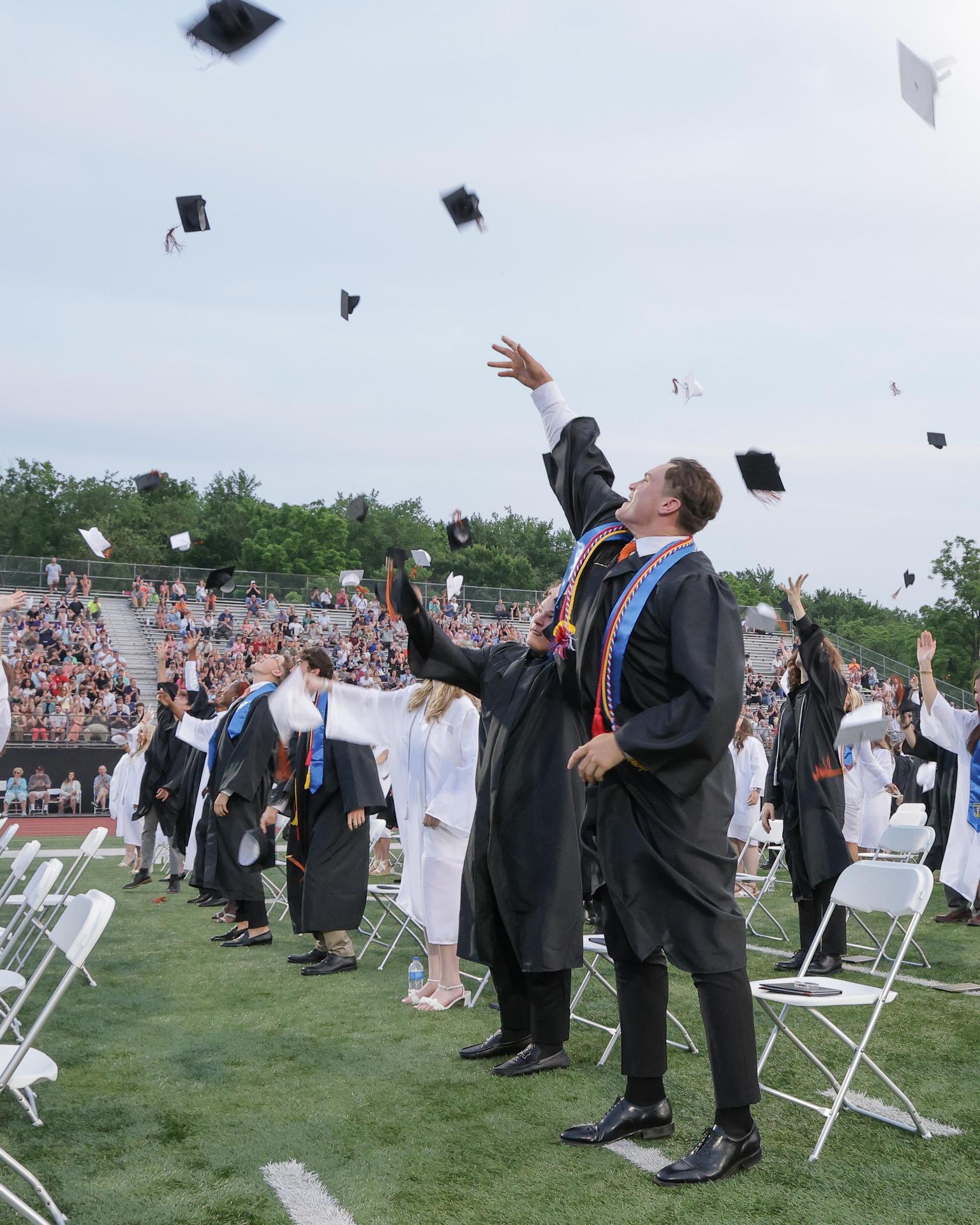
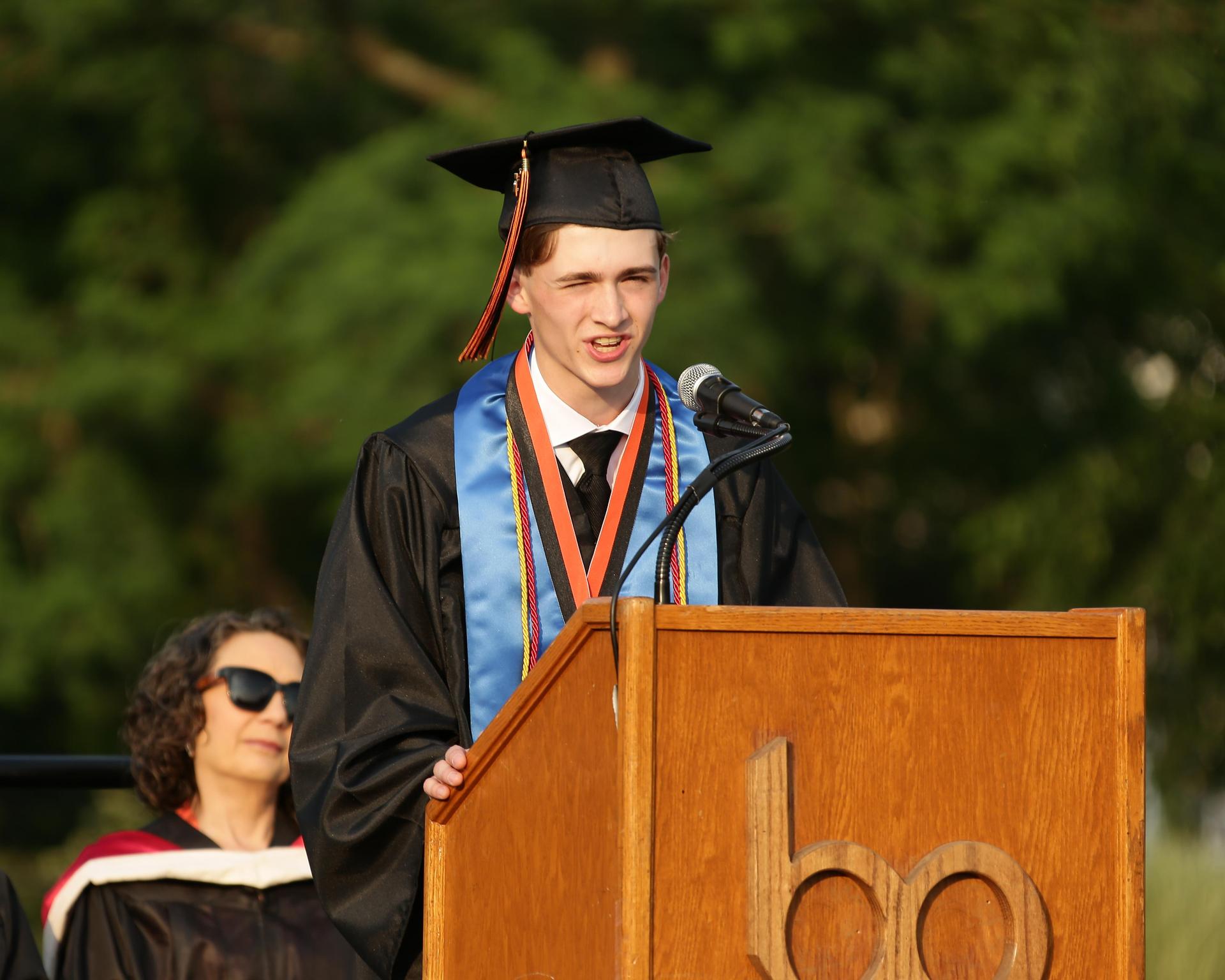 Academics are a priority at Bethel Park. In the Class of 2025, 30% graduated with a QPA of 3.5 or higher, and 85 students maintained National Honor Society status with a QPA of 3.85 or above. Their SAT scores averaged 93 points above the state and 55 points above the national average.
WHAT'S IN A NAME?

While the commitment to academic excellence has remained constant, much has changed over the years—including the school’s name and grade configuration.
When the district was formed in 1886, Bethel was still a township, and the school district was called the Bethel Township School District. In 1960, the borough changed its name to Bethel Park to avoid confusion with another Bethel in northeastern Pennsylvania. The school name, however, did not change immediately. It remained Bethel High School until the campus-style high school opened in 1959, becoming Bethel Senior High School. In 1964, “Park” was added, and in 1996, “Senior” was dropped, resulting in the current name: Bethel Park High School.
Originally, grades 7–12 attended Bethel High School. When the new campus opened in 1959, ninth graders were moved to the junior high. They returned in 1964, were removed again in 1976, and finally returned to the high school in 1985, where they’ve remained since.
An Allegheny County First
 Did you know the first school cafeteria in Allegheny County opened at Bethel High School in 1930? It was staffed by students who earned graduation credit for their work.
THE 1930s

THE 1940s

The 1940s brought the end of the Great Depression and the start of World War II. Many Bethel High School boys served in the war, while girls supported the effort through groups like the Girl Reserves, knitting mittens and socks for soldiers. Due to wartime restrictions, several interscholastic sports were canceled.
After the war, school life returned to normal. Music and dancing during lunchtime became popular, and the student council hosted weekly dances along with the Prom and May Dance, both held in the gym.
The curriculum expanded to include Shorthand, Wood Shop, Art, Physical Education, Spanish, and Penmanship. New clubs included the 8x Owls and the Miracle Book Club, and Boys Golf was added to the athletic program.
THE 1950s

As Bethel entered the 1950s, the high school continued to grow. A new gymnasium with a divider allowed boys’ and girls’ gym classes to run simultaneously, and bleachers were added to give students a place to cheer on their teams.
Student organizations included the Canteen Committee, Sub Deb Club, Technician’s Club, Radio Club, Forensics League, and Future Teachers of America. Rifle was introduced as a sport.
The 1950s also saw the start of one of Bethel’s lasting traditions—the Powder Puff Football Game, where senior girls faced off against juniors in a friendly flag football matchup. That tradition lasted for more than half a century and kicked off the annual Homecoming Week.
THE 1960s

As Bethel moved into the 1960s, students changed significantly amid events like President Kennedy’s assassination and the Vietnam War, sparking a break from conformity.
Despite shifting fashion and attitudes, school spirit stayed strong. New clubs included Future Nurses of America, Leathercraft, Photography, Future Business Leaders of America, Mechanics, Electronics, and Vernissage.
 The 1960s also introduced boys’ swimming and cross country, and girls’ gymnastics. In 1967, the Bethettes retired their batons for pom-poms, though their uniforms have mainly stayed the same since.
THE 1970s

THE 1980s

Graduating classes in the 1980s declined from over 700 students in 1980 to 479 by 1989.
The curriculum featured unique courses like Independent Living Relations, which staged a Greek Orthodox mock wedding with a reception catered by the Gourmet Cooking class.
Girls’ soccer was added to athletics, while clubs reflected pop culture interests, including the Rubik’s Cube Club and EPOCH (Europeans for the Preservation of Our Cultural Heritage).
Popular activities included the Snow Ball Dance, Cupid’s Connection Dance, Beach Party, and Tombstone Twist.
THE 1990s

Concerns over issues like drunk driving led to the creation of a SADD chapter in the 1990s, along with a Newcomers Club to welcome new students.
Popular activities included the Club Coca-Cola Dance, Colonial Day, Twin Day, and Mardi Gras Week. Traditions started in the ’90s that continue today include Senior Appreciation Day, the cheerleaders’ annual Make-A-Wish fashion show, the SGA Volleyball Tournament, and the Man of the Year dance competition, which began in 1991. The Goofy Awards, launched in 1995, also remain a favorite.
New sports added in the ’90s included boys’ lacrosse and fencing. Classes like Research Techniques and Speedwriting were introduced.
THE 21st CENTURY

Bethel Park High School traditions continue well into the 21st century, including the classic Homecoming Parade, and new tributes are introduced each year.
Activities have shifted toward community service, featuring
Christmas Giving Trees and participation in various causes whose mission is to help those in need. New sports like girls’ flag football offer expanded opportunities for students.
The curriculum has grown to over 200 courses preparing students for college and beyond, including Sculpture, Advanced Web Design, Entrepreneurship, Nutrition, Prenatal Development and Child Care, Transportation Power and Energy Systems, Democratic Leadership, 18 Advanced Placement, and 25 Honors classes, alongside core subjects. The district also partners with local colleges to offer courses with college credit.
School spirit thrives through Spirit Week, Fall Games, Homecoming weekend, Senior Appreciation Day, Man of the Year, the Goofy Awards, and more. Though faces and events have changed, the unquenchable spirit of Bethel Park High School students endures—may it burn bright for another 100 years!
THE HISTORY OF THE BLACK HAWK

Did you know Bethel’s athletic teams were called the Bees until 1951? Originally known as the “B’s” for Bethel, the football uniforms in the late 1940s featured orange and black stripes, making players look like bees—hence the spelling change. Some male athletes of the day disliked the name, feeling it wasn’t “tough” enough, but their attempts to change it were denied.
So, how did Bethel become known as the Black Hawks?
According to some accounts, when a girls’ basketball team was started in 1950, there was no budget for uniforms. The coach bought the only available black and orange jerseys from the NHL’s Chicago Blackhawks, who at the time wore black and orange as their primary colors. The girls took the court as the Bethel Hawkettes.
 When the art department created a logo, unaware that the Blackhawks were a Native American tribe, they designed a bird of prey. The nickname was spelled as one word until the mid-1990s, when it was changed to two words—Black Hawks—out of sensitivity to the burgeoning discussion on Native American heritage. The change was made to avoid offending some indigenous peoples. However, the mascot has always been the black bird, and the school district has never used Native American iconography to represent its teams.
SOME THINGS NEVER CHANGE
THE BETHEL PARK HIGH SCHOOL ALMA MATER

Oh Alma Mater, Bethel High
All hail to thee.
We sing thee praises every one
With love and loyalty.
From atop the summit’s brow
Keep a watchful eye.
We’ll always love thy colors true
Our Bethel High.
BETHEL PARK HIGH SCHOOL PRINCIPALS

(Information for the early years is not completely accurate.)
1905-?– Professor Mahle
At least 1931 – 1953 – T.M. Buck (Supervising Principal/Superintendent)
?-? – Margie McKee
?-1936 – J. Russell Hilty
1937-1949 -- D.M. Boyce
1950-1958 – Randall W. Hartlieb
1958-1960 – Theodore A. Siedle
1960-1967 – Robert E. Owsiany
1967-1976 – Edward A. Strall
1976-1985 – Thomas K. Walters
1985-1991 – Thomas R. Moses
1991-1996 – Lawrence A. Bukowski, Ph.D.
1996-2001 – Thomas A. Hisiro, Ed.D.
2001-2006 – David A. Helinski
2006-2019 – Zeb Jansante, Ed.D.
2020-2025 – Joseph Villani
2025-Present – Racquel Sutton
BETHEL PARK SCHOOL DISTRICT SUPERINTENDENTS
At least 1931-1953 -- T.M. Buck (Supervising Principal and Superintendent)

1953-1959 -- Dr. Harry H. Moore
1959-1967 -- Dr. Theodore Seidle
1967-1979 -- Dr. Eugene S. Spence
1979-1986 -- Dr. Edwin T. Merritt
1986-1993 -- Dr. Robert McNaughton
1993-2003 -- Dr. Victor C. Morrone
2003 -- Dr. Edgar J. Holtz (Acting Superintendent)
2004 -- Dr. Nick Staresinic (Acting Superintendent)
2004-2005 -- Dr. Ronald L. Grimm
2006-2011 -- Dr. Thomas A. Knight
2012-2016 -- Nancy Aloi Rose
2016-2020 -- Dr. Joseph. W. Pasquerilla
2020-2021 -- Dr. Joseph Dimperio (Acting Superintendent)
2021-Present -- Dr. James Walsh
CREDITS

This history was compiled from various sources, some with conflicting accounts. The primary source was the Bethel Beacon yearbooks, starting in 1931.
Additional sources include the Bethel Park High School Records Office, newspaper clippings from the Bethel Park Library, Bethel—Our Home by John Biewener, From Acres to Charter Acres by the Bethel Park Junior Women’s Club, and The Bethel Park Centennial 1886–1996 Commemorative Book. Thanks also to the many local historians for their input on the history of the community and its public school system.
If you have additional information to share, please get in touch with James Cromie, Director of Communication and Public Relations, at 412-854-8438 or [email protected].
A Brief History of Bethel Park High School
Most recently updated: Aug.4, 2025
When the Bethel Township School District was established on June 21, 1886, it served only students in grades 1 through 8.
In 1906, the district added a high school by converting one classroom in a three-room schoolhouse on Mollenauer Road (Bethel School near Mine Three).
At the time, high school was a three-year, half-day, one-semester program with a basic curriculum—no electives, and students bought their own books. The program expanded to four years in 1914, and extracurricular activities were introduced around 1920.
In 1908, the first Bethel High School was built at South Park Road and Park Avenue. It still stands today and houses the Bethel Park Historical Society and some other smaller businesses. It cost $6,400 to construct and featured two classrooms, an auditorium, and four teachers.
The first graduating class followed in 1909, with 15 students—10 girls and five boys.
In 1927, a 10-room grade school was built near the high school on Park Avenue—the current site of the Bethel Park Community Center. When high school enrollment outgrew its original building, students swapped buildings with the younger grades in 1934.
As enrollment continued to rise, Park Avenue High School added buildings. During one such expansion, a fire broke out on July 11, 1939, causing significant damage. Construction pressed on, and the new addition was dedicated on September 20, 1940.
A gymnasium was added in 1949, followed by an upper wing in 1952 to accommodate further growth.
By 1956, continued population growth led the school board to purchase an 80-acre plot on Church Road—then known as McCormack Farm—with plans to develop a whole campus. In the fall of 1959, sophomores, juniors, and seniors moved into a new six-building complex featuring two academic buildings, a library, an auditorium/cafeteria, a physical education building, and a boiler house, built for $4.1 million.
The new Bethel Senior High School was dedicated on October 23, 1960, but the campus didn’t reach its full size until seven years later. Phase II, completed in 1964, added another academic building and the industrial arts building. Phase III followed in 1967, adding a fourth academic building, a 6,300-seat football stadium and track, three tennis courts, seven basketball courts, a baseball field, and expansions to the library, cafeteria, and physical education building. In 1969, ten classrooms were added to Buildings 2 and 3.
In June 1994, a 26-month, $20 million renovation began, upgrading all eight buildings with new roofs, ceilings, tile, carpeting, paint, elevators, plumbing, and HVAC systems. The gym, pool, and industrial arts building were also renovated. Work was completed in 1996.
The former Bethel Park High School was the last campus-style secondary school in Pennsylvania until it was demolished in 2012 to make way for a new athletic complex and parking lot. Students moved between eight buildings daily—rain, snow, or shine.
In February 2008, the Bethel Park Board of School Directors voted to build a new, modern high school on the practice fields along Church Road. The original campus remained in use until January 2012, when the new single-building Bethel Park High School opened across the street.
As for the earlier high schools: the original Bethel High School, built in 1908, became the School House Arts Center in 1972 and was designated a historic landmark by the Pittsburgh History and Landmarks Foundation in 1990.
The second high school, located on Park Avenue, was used as a junior high after the high school relocated in 1959. It was sold to the Municipality of Bethel Park for $1 in 1975, closed in 1980, and demolished in 1990. The Bethel Park Community Center now stands on that site. Before demolition, the school's terrazzo compass emblem—measuring 9 feet, 2 inches in diameter—was preserved and now adorns the lobby of the Community Center.
The early history of Bethel High School is limited, but records became significantly more consistent after 1931, when the first yearbook, The Beacon, was published, a name that continues today.
 Popular social events included the Sadie Hawkins Dance, Christmas Dance, Sock Hop, Sweetheart’s Dance, and Campus Carnival.
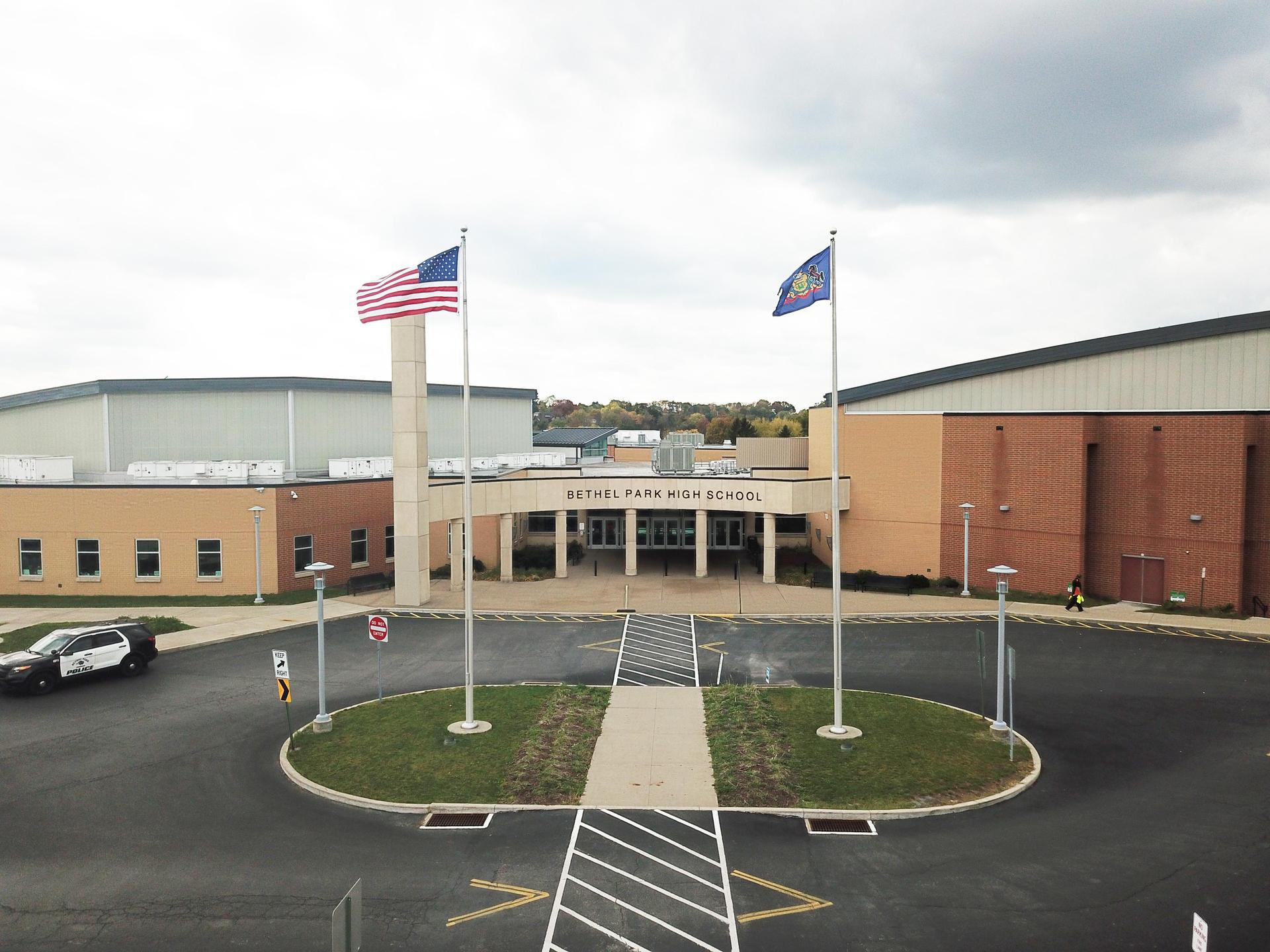 The new Bethel Park High School opened on January 30, 2012, marking a bold and exciting new chapter in the district’s storied history. The shift from an eight-building campus to a single, state-of-the-art facility was a game-changing leap forward in how education was delivered in Bethel Park.
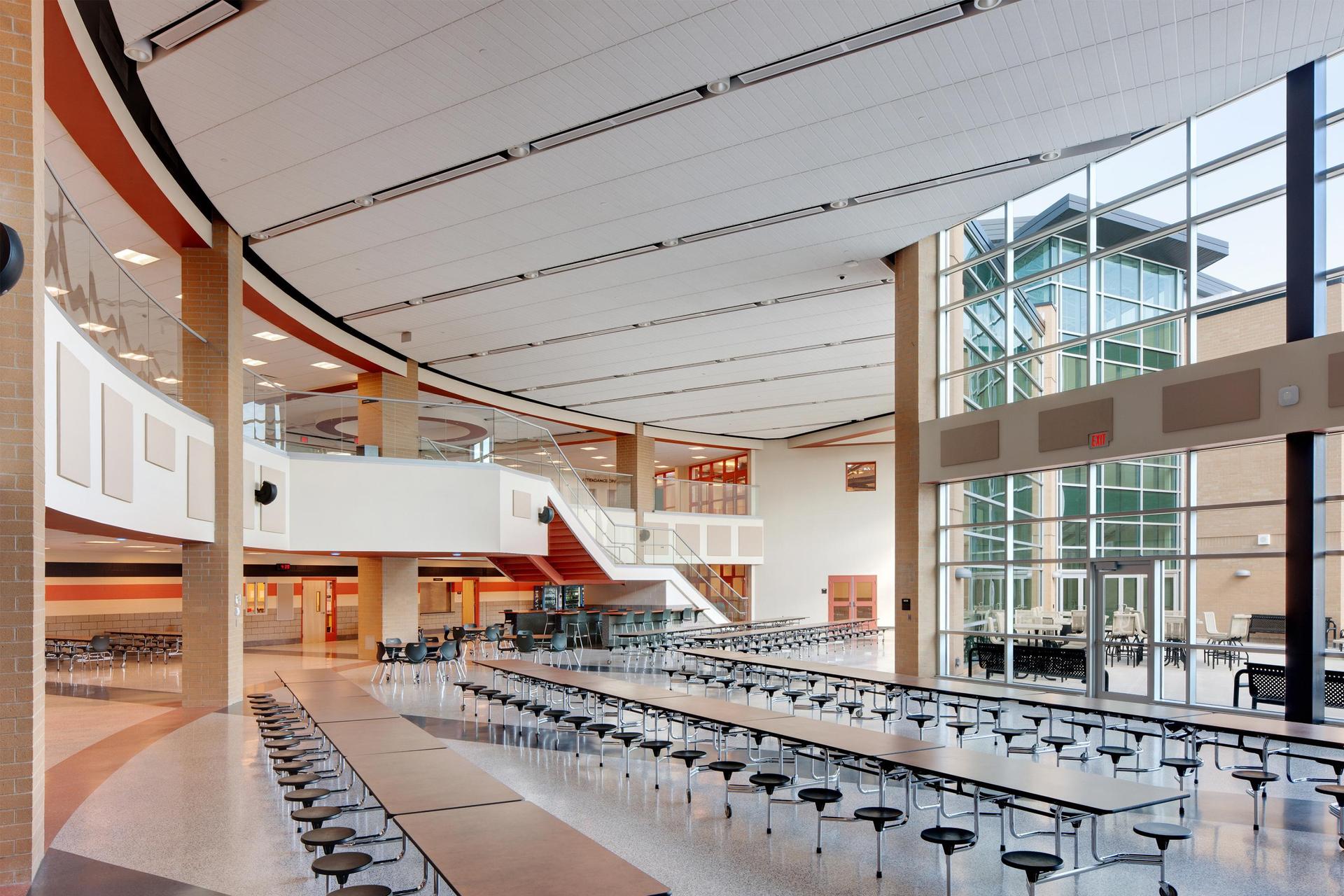 Designed with safety, innovation, and opportunity in mind, Bethel Park High School reflects the district’s commitment to delivering a world-class education that prepares students to succeed, lead, and thrive in the future.
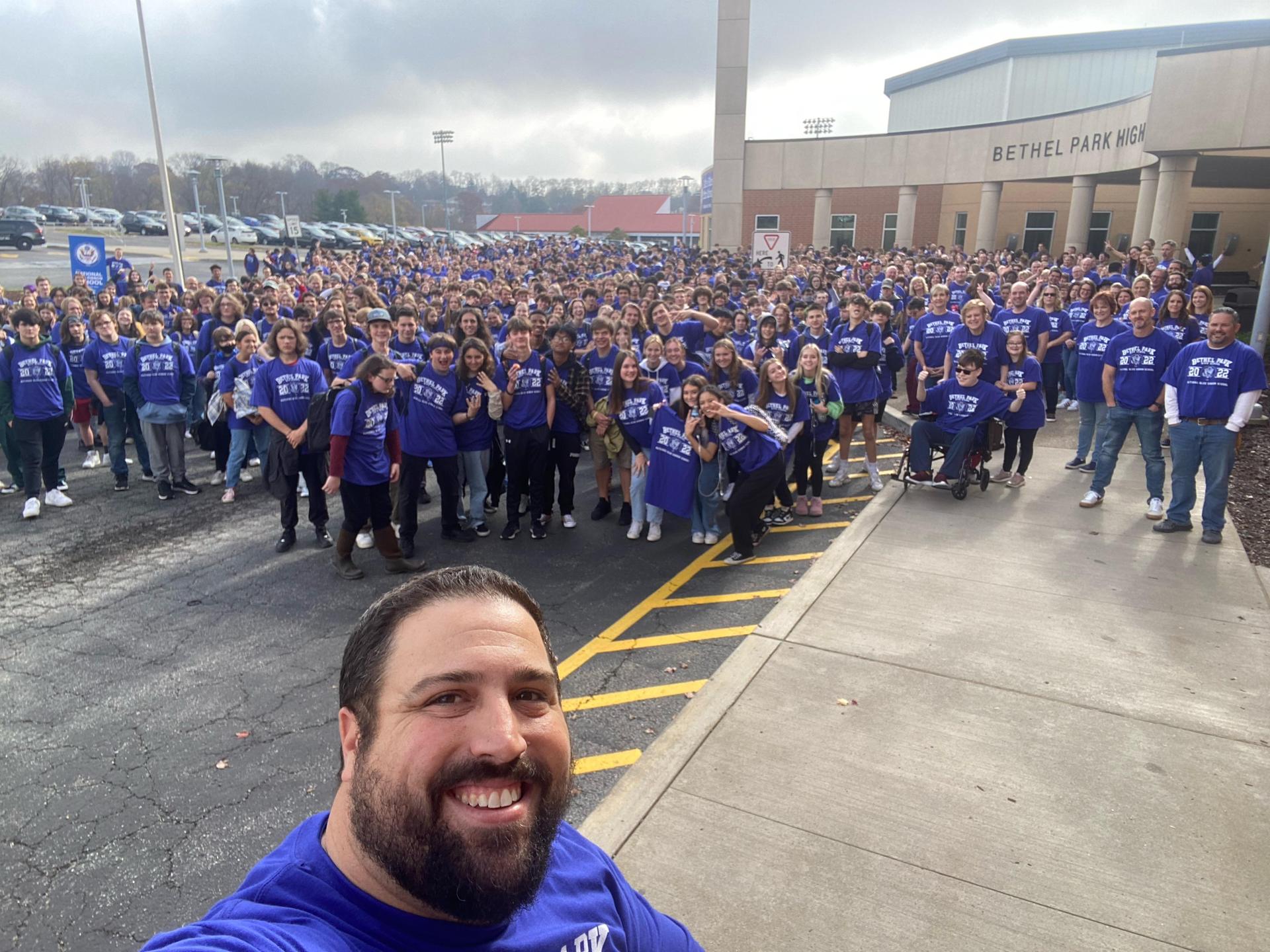 In 2022, Bethel Park High School had a 99 percent graduation rate, with 91 percent of graduates enrolled in post-secondary institutions or apprenticeships and approximately nine percent enlisting in the military or entering Pennsylvania’s workforce. The school was selected as a National Blue Ribbon School by the U.S. Department of Education. It was just the 36th PA school ever to earn such recognition.
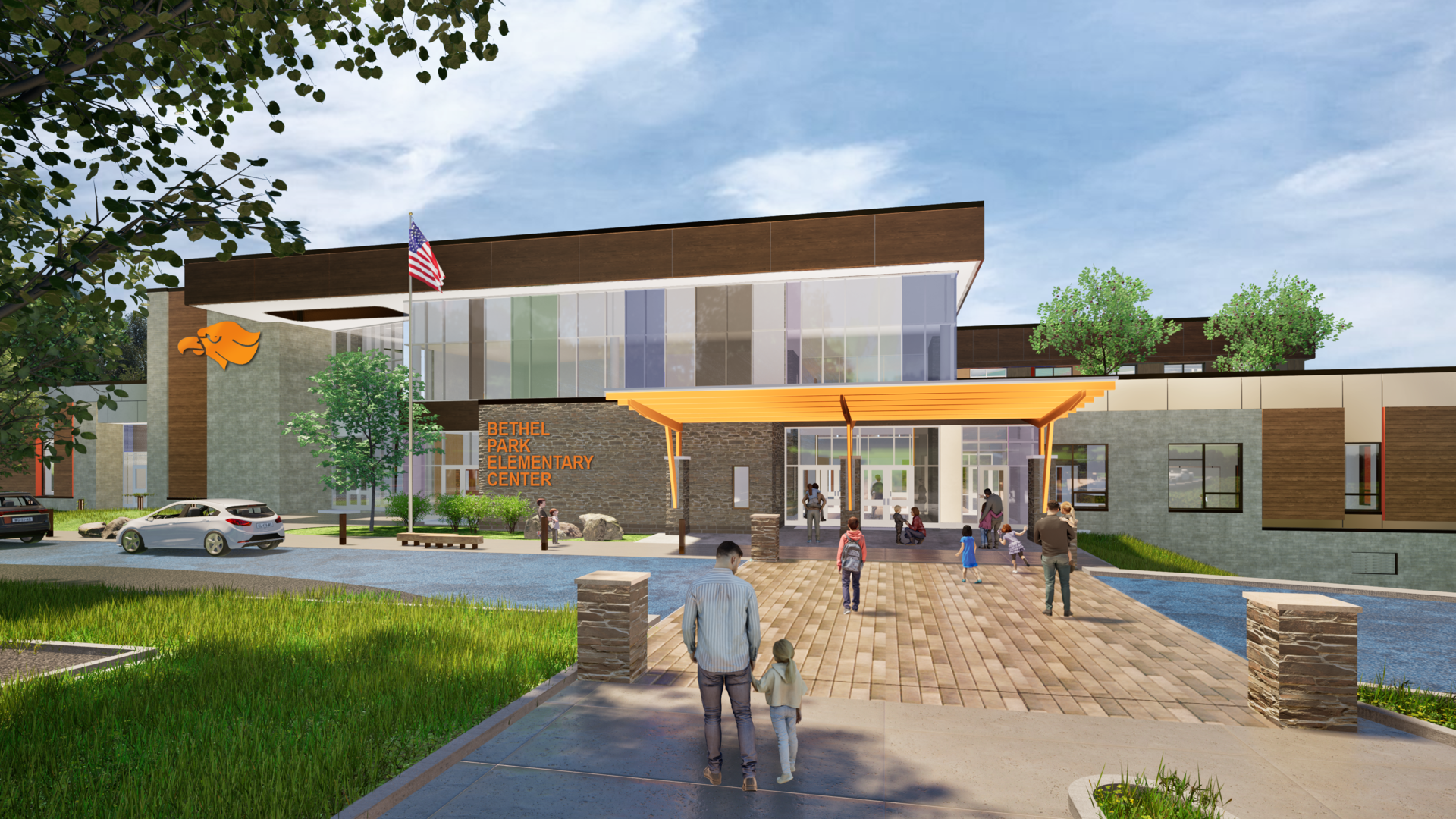 Designed by DRAW Collective and built by Massaro Construction Group, the cutting-edge facility, scheduled to open in 2026, will serve up to 1,800 students in grades K–5. It's smart three-story layout will separate primary and intermediate grades while promoting collaboration.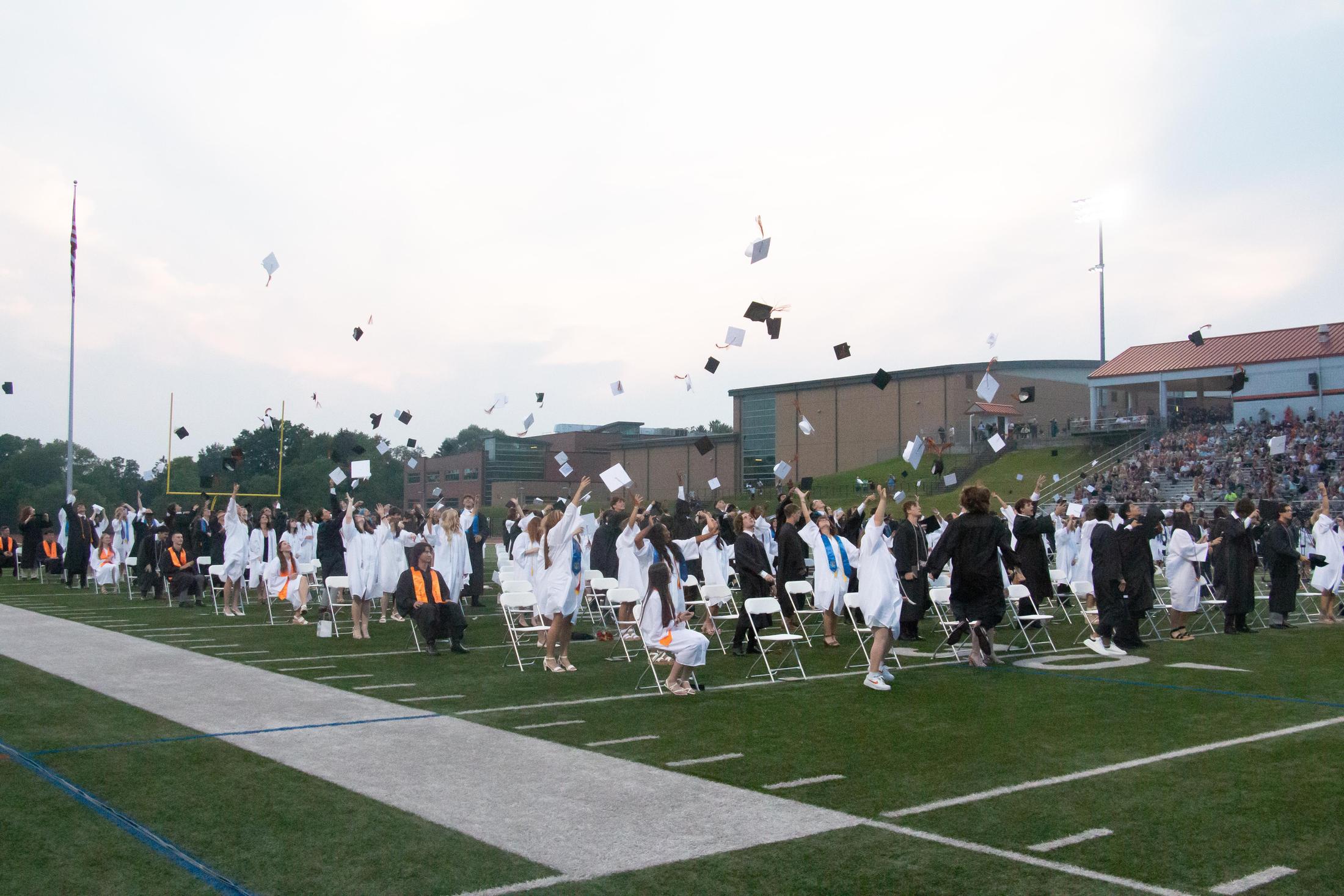
 1905-?– Professor Mahle